ISRO... Pico Push With Friends Aboard
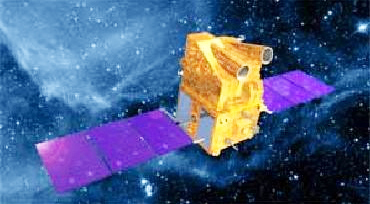 After the failure of the GSLV-D3 launch last week, the Indian Space Research Organisation (ISRO) on Saturday morning initiated the Cartosat 2B high resolution satellite's journey to Sriharikota.
 The remote sensing satellite is now en route to Sriharikota where it will be launched by
PSLV-16, along with four other satellites, on May 9th, with its co-passenger, the student satellite StudSat.
The 700 kg.
Cartosat 2B will carry a state-of-the-art panchromatic camera with a spatial resolution less than one metre — high enough to spot a car, for instance — and will have applications in urban and rural infrastructure development and management,
Geographical Information System (
GIS) and other areas where detailed mapping is required.
StudSat
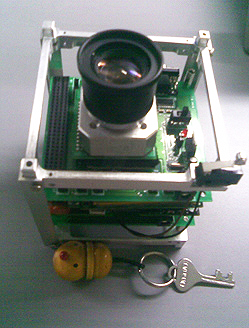
, the first-ever pico (small) satellite, designed in India by a consortium of 13 students from seven colleges in Bangalore and Hyderabad, weighs less than a kilogram. The payload of the satellite consists of a CMOS camera offering a ground resolution of approximately 90 metres. The mission life of the satellite is around six months and the total development cost was around Rs. 55 lakh. The students, who had been working on this project for the last year and a half, said that it was like “a roller coaster ride,” what with all the hard work they put into it and the momentous task of co-ordinating among themselves. The team was divided into various groups, each specializing in a particular aspect of the satellite: on-board communication, data handling, attitude, determination and control system, structure and ground station operations.
Chetan Dixit, who coordinated the team, said, “We don't consider this as ultimate success. To us this is just a stepping stone to further achievements. We will now be involved with the pre-launch work, which though not technical, is very important.”
Alsat, an Algerian satellite, and two Canadian nanosatellites, will also be launched by PSLV-16.
(Source: The Hindu)
Topical Tags :
Regional Tags :