A dozen aspiring pilots at the University of North Dakota can't wait to never get off the ground. Following a shifting military strategy that calls for more and more unmanned aerial vehicles (UAVs) supporting troops on the ground,
U. of ND is offering the first four-year degree for UAV pilots hoping to take the sticks in a field expected to swell to a US$20 billion industry over the next decade.
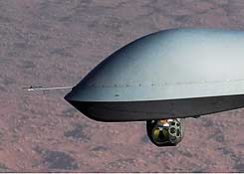
The camera/sensor ball on a Predator UAV. Photo: Lt. Col. Leslie Pratt/USAF
Most UAVs deployed in the military are engaged in reconnaissance and intelligence gathering (punctuated by the occasional strike), but the brass has expressed a desire for faster, more networked fighting forces on the ground, and that means more UAVs acting as eyes in the sky. While Cold War-era intel gathering employed satellites and high-flying spy planes to follow broader actions like following troop column movements or monitoring large missile installations, the emerging threats of the 21st century — multiple small, mobile targets hiding in very hard to reach places — require a more fleet-of-foot, unit-level means of intelligence gathering and troop support. A tech-savvy generation of students is stepping up to fill a pilot shortage in the field, and if things continue on their current course, in four years time the program's first graduates should find themselves quite employable. That is, at least until the drones become autonomous. (Source: Discovery News)
Topical Tags :
Regional Tags :

