

....has decided to launch a satellite-based tracking system to get accurate information on movement of passenger trains in each zone of the railways to further improve passenger amenities. A Railway Board official said a new technology has been developed by the railways which is currently under trial, which has, so far, proven to be successful. The MSS-based tracking system will be implemented by the railways across the country after the pilot trial demonstrates its efficacy, said the official.
According to sources, the railways had introduced the Real Train Information System in the first phase. It was based on the satellite imaging for rail navigation and was developed and launched under the joint venture of the Research Design and Standards Organization, Lucknow, and IIT Kanpur. However, as of this writing, the information being transmitted under this system about train movement is not up to the mark at most of the places, sources said. "Once the new system gets going, several value-added services like accurate information about passenger train movement will be available to passengers at each major station," the Board official said, adding the new system is based on ultra high frequency communication system.
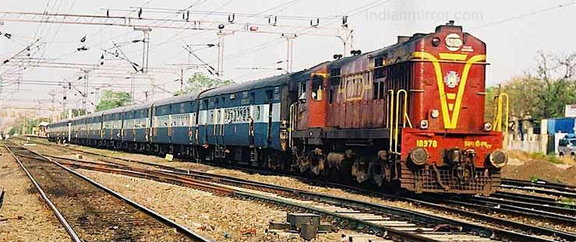
Indian railway's train, photo courtesy of the Indian Mirror.
Sources claimed the Indian Navy is using the MSS system mainly on its warships and Coast Guard vessels to get accurate information about the movement of ships in sea. Additionally, the MSS system for defence applications has been developed to assist naval wings like submarines, torpedoes, ground-based vehicles, ships and aircraft in any emergency, sources said. A railway official of the ECR said the technology would prove quite handy during foggy weather conditions. The Delhi-Patna-Howrah mainline route remains badly affected due to foggy weather conditions for about three months during the winter. Passengers would get exact information about train movement, particularly of long-distance mail and express trains, he added. (Source: The Times Of India)